
Many say that Canada’s history spans only a little over two centuries. Yet if we include the stories of its First Peoples, this land’s civilization stretches back thousands of years.
For countless generations, the First Nations, Inuit, and Métis peoples lived in harmony with the mountains, forests, and ice fields of North America. They built intricate societies rooted in respect for nature, spoke dozens of distinct languages, and developed profound systems of art, spirituality, and governance. To them, the Earth was a living mother — and all beings, human or otherwise, shared the same spirit.
🪶 Shadows of Colonization and Cultural Disruption
Beginning in the 17th century, European colonizers arrived, bringing trade and faith — but also conquest and disease. Wars, displacement, and epidemics devastated Indigenous communities.
By the 19th century, the Canadian government introduced the Indian Act and established the residential school system — institutions designed to “assimilate” Indigenous children by erasing their language, culture, and identity.
Children were taken from their families, renamed, punished for speaking their mother tongue, and forced into labor. Thousands never returned home.
These schools tore families apart and severed the chain of cultural transmission. Today, the ruins of residential schools and the unmarked graves surrounding them stand as haunting reminders of a painful national history.
🕊️ The Beginning of Reconciliation
On June 11, 2008, Prime Minister Stephen Harper delivered a historic apology in the House of Commons, acknowledging the suffering caused by the residential school system and offering Canada’s first official step toward reconciliation.
Following that apology, the Truth and Reconciliation Commission (TRC) was established to record survivors’ testimonies, open public archives, and educate Canadians about these truths.
Each year, on Orange Shirt Day, Canadians wear orange to honor the children who never returned home and to remind the nation that every child matters. It has become a collective act of empathy, remembrance, and learning.
💧 A Public Awakening and Shared Compassion
Reconciliation is not achieved through policy alone — it begins with empathy. Across the country, ordinary Canadians have begun to reflect on what it means to share this land and this history.
Artists, educators, and community leaders now see reconciliation as a daily practice — an act of listening, learning, and standing in solidarity.
When a nation can face its past with honesty and compassion, it begins to rediscover its own humanity. This growing public empathy marks not just a moral awakening, but a deep cultural maturity — a sign of a country learning to heal together.
🌿 Ancient Wisdom for a Modern World
In today’s fast-paced, technology-driven society, Indigenous worldviews offer profound lessons.
They teach balance, respect, and relationship — the understanding that humans are not masters of nature but participants in its cycle.
This philosophy reminds us that progress without humility leads to imbalance, and that material abundance without gratitude leads to emptiness.
Modern environmental science, psychology, and sustainability movements are increasingly recognizing these teachings — not as folklore, but as timeless wisdom for a planet in search of renewal.
🎨 Healing Through Art and Storytelling
Indigenous art is a language of resilience. Every totem, pattern, and brushstroke carries ancestral stories and spiritual meaning.
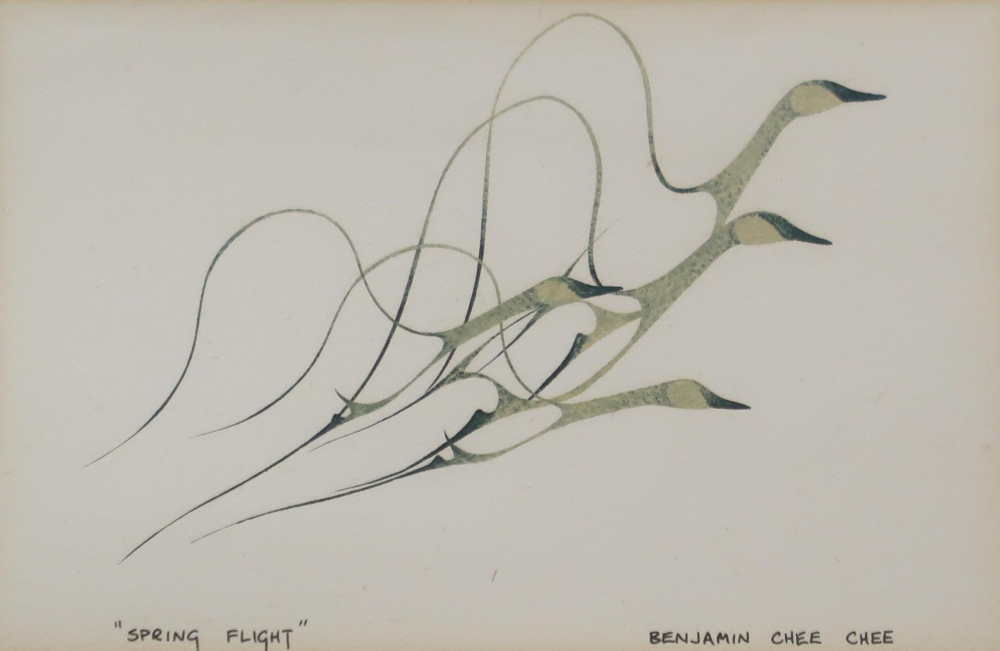
From Norval Morrisseau’s spiritual symbolism, to Roy Henry Vickers and Francis Dick’s bold formline designs, to Kenojuak Ashevak’s luminous Inuit prints — Indigenous artists have transformed pain into beauty, and memory into vision.
Through their work, Indigenous voices are no longer silenced but reborn — reminding all who witness them that true healing begins with recognition and respect.
🌈 Walking the Path Together
Reconciliation is not an end; it is a journey — one that requires courage, patience, and shared responsibility.
Like the hummingbird, which moves lightly yet powerfully between flowers, Indigenous cultures bring sweetness and light to the world.
For the International Culture Federation (ICF), cultural understanding and empathy are not abstract ideals — they are the foundation of peace and human connection.
Every time we listen, learn, and open our hearts, we take another step on the path of reconciliation.
May we remember that the story of this land is one of both sorrow and beauty — and that through understanding each other, we rediscover what it means to be truly human.
ICF Toronto