
At 2:00 p.m. on December 6, 2022, an online health salon was held, hosted by the International Culture Federation (ICF) and organized by M2 CPN Clinic (M2 Registered Professional Nutritionist Clinic). Registered Professional Nutritionists and trainees from Quebec, Markham CPN Clinic, Julia CPN Clinic, and London CPN Clinic participated in the event.
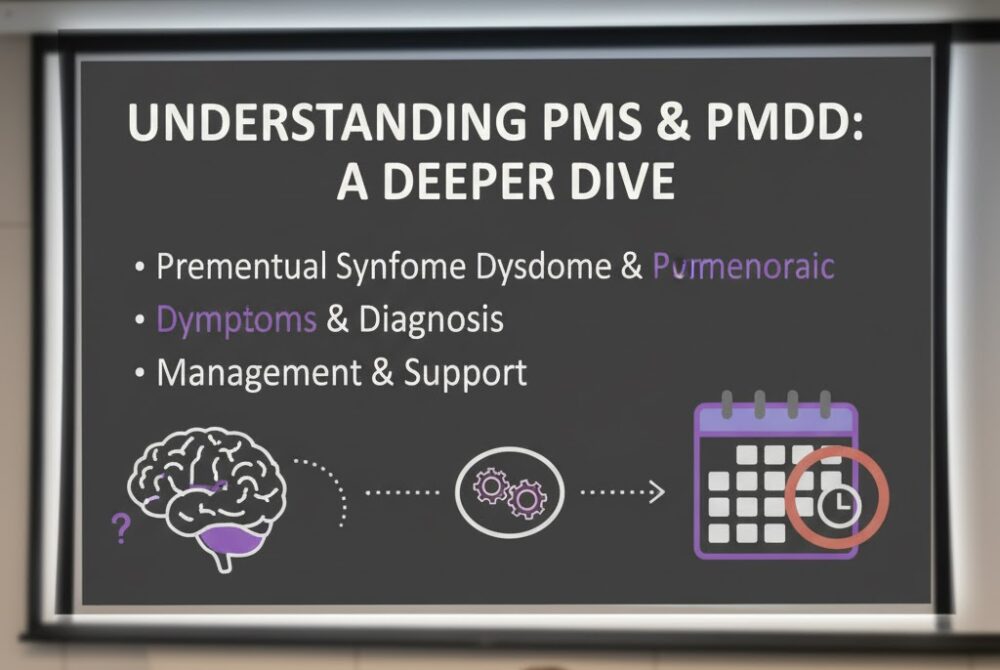
The topic of this session was the first half of “Premenstrual Syndrome (PMS) and Premenstrual Dysphoric Disorder (PMDD)”, one theme in the series “Functional Nutrition Interventions for Pain.” The lecture was delivered by Julia Wong, instructor at the Canadian College of Public Health.
Possible PMS symptoms include:
-
Physical: appetite changes/cravings; tender or swollen breasts; weight gain; bloating; lower-abdominal pain or dysmenorrhea; constipation or diarrhea; headaches; fatigue; oily skin/acne.
-
Psychological/behavioral: low mood; sadness/tearfulness; irritability; depression; heightened anxiety; mood swings; social withdrawal; sleep problems; difficulty concentrating; decreased libido.
PMS is a cluster of physical and emotional symptoms that appear after ovulation and before the onset of menstruation. Researchers believe PMS occurs in the days after ovulation because—if pregnancy does not occur—estrogen and progesterone levels drop sharply. PMS symptoms usually resolve within a few days after menstruation begins, as hormone levels rise again (often around day 14 of the cycle and continuing until about four days after menstruation begins). Some women have no noticeable symptoms or only very mild ones; others may experience symptoms severe enough to hinder daily activities. Up to three-quarters of women report PMS symptoms at some point (most are mild). Symptoms may worsen near menopause or during the menopausal transition as hormone levels fluctuate unpredictably. Most PMS symptoms stop after menopause.
PMS is multifactorial in origin, potentially involving:
-
Imbalance in the ratio of progesterone to estrogen
-
Pituitary hormones / prostaglandins / neurotransmitters (e.g., serotonin, GABA)
-
Dietary imbalance (high fat; excess sugar/salt)
-
Vitamin B6 insufficiency; calcium/magnesium deficiency
-
Thyroid dysfunction
-
Stress / poor sleep
-
Environmental pollutants
During the lecture, Ms. Wong noted that PMS symptoms can be managed from multiple angles. Stress management is crucial. Additional approaches include: increasing aerobic exercise; reducing known dietary triggers; increasing healthy carbohydrates; ensuring adequate sleep; and considering functional formulations and nutritional supplements such as B-complex, B6, vitamins D and E, omega-3s, calcium, magnesium, iron, amino acids, chasteberry, probiotics (Bifidobacterium strains), evening primrose oil, turmeric, ginger, dong quai, Cornus officinalis, black cohosh, and adaptogens such as rhodiola.
This was a public-interest lecture, hosted by Maggie Yu, Chief Nutritionist of M2 CPN Clinic. After the talk, she shared recent client cases with the attending nutritionists, emphasizing that nutritionists must make every effort to understand clients’ symptoms, lifestyle and dietary habits, and current medications/supplements. No single supplement or functional formula suits everyone; personalized health management is the service standard and goal of CPN practitioners, so as to build a consistent, trustworthy image in the community.
The next health salon will continue with the second half of “PMS and PMDD.” Please watch for the event announcement.